Dithering, explained with wallpapers
Dithering is how you fake colours you do not have. With only a few colours to work with, you scatter them in a pattern, and from a distance the eye mixes them into the tones in between.
It was invented out of necessity. Newspapers had one ink, early screens had two colours, and the first colour computers had sixteen. Dithering was the trick that let them show a photograph anyway. Nobody needs it any more, which is exactly why it now reads as a style: the texture of old print and old pixels.
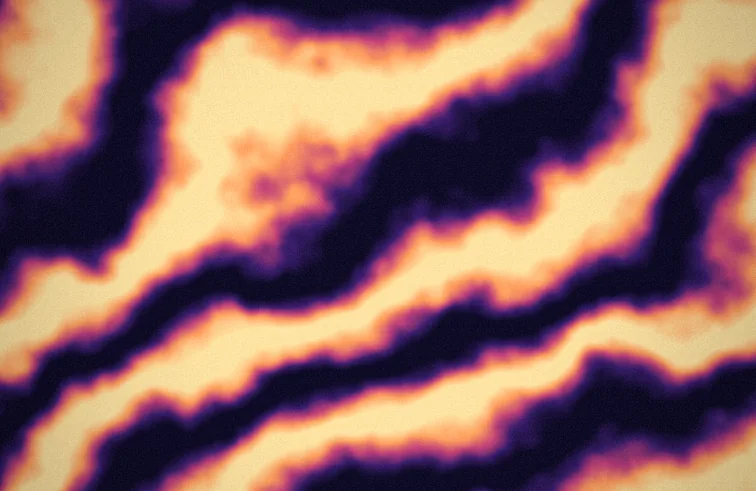
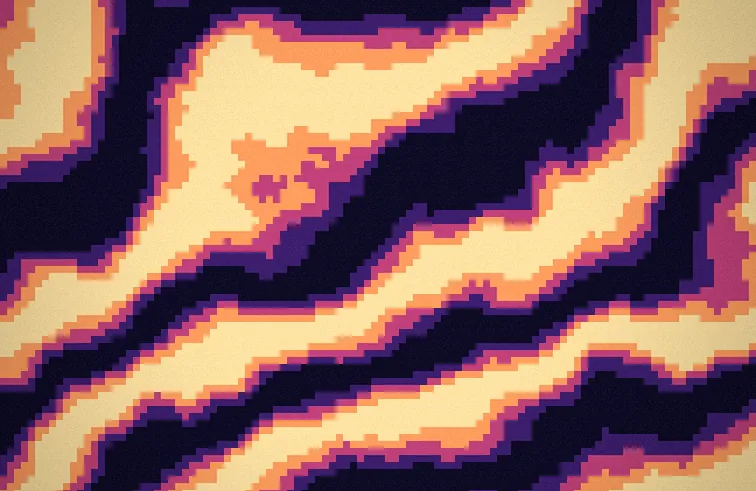
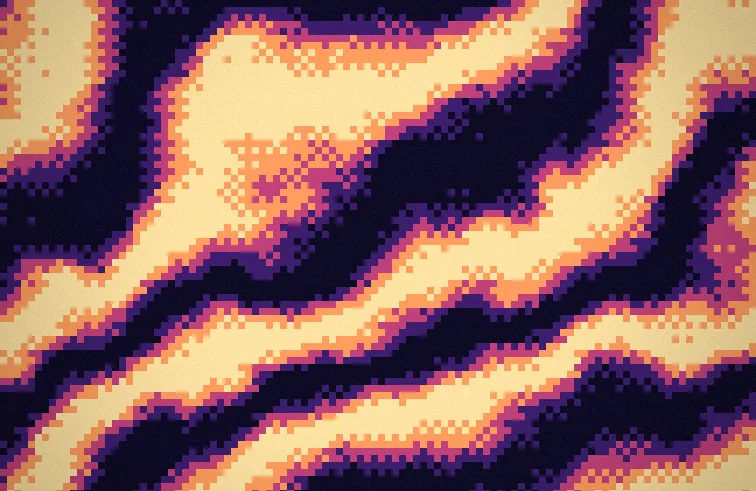
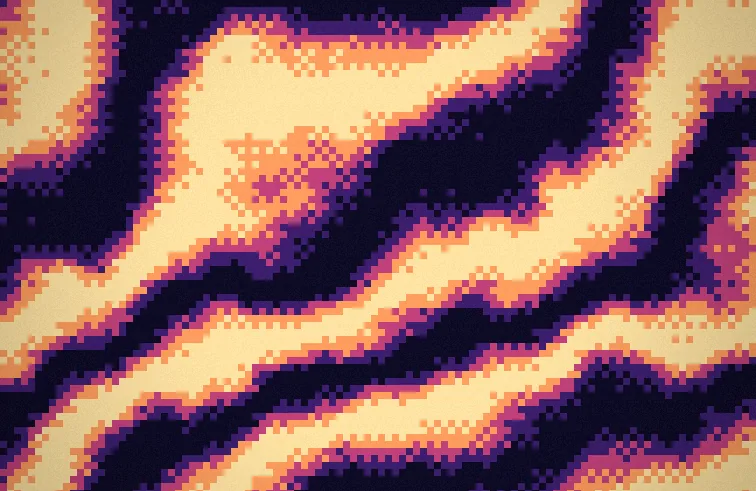
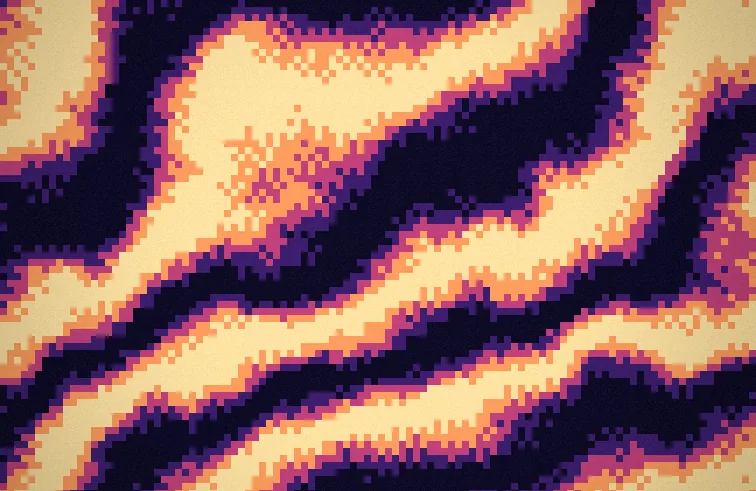
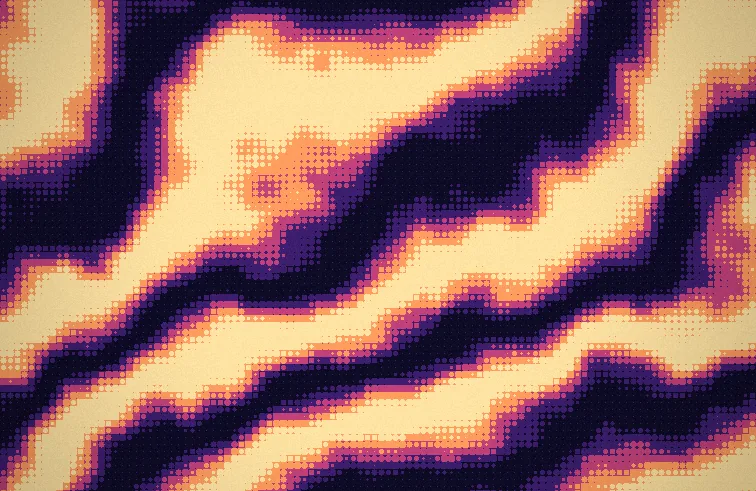
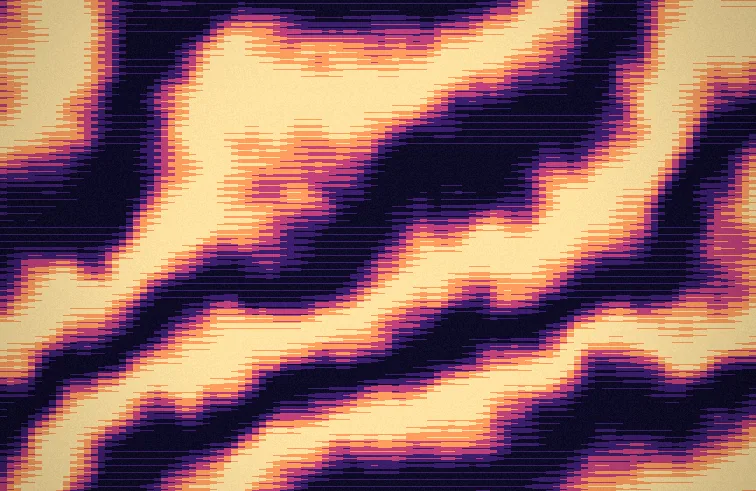
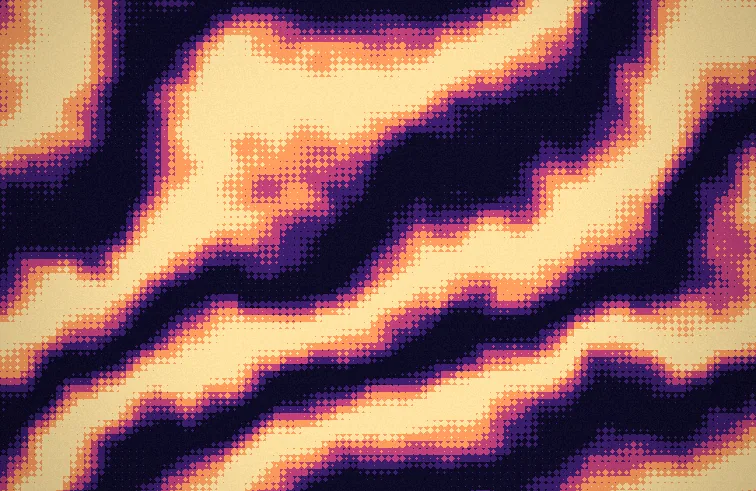
Below is one wallpaper from Pixel Soup, the same shape and the same five colours, dithered ten ways.
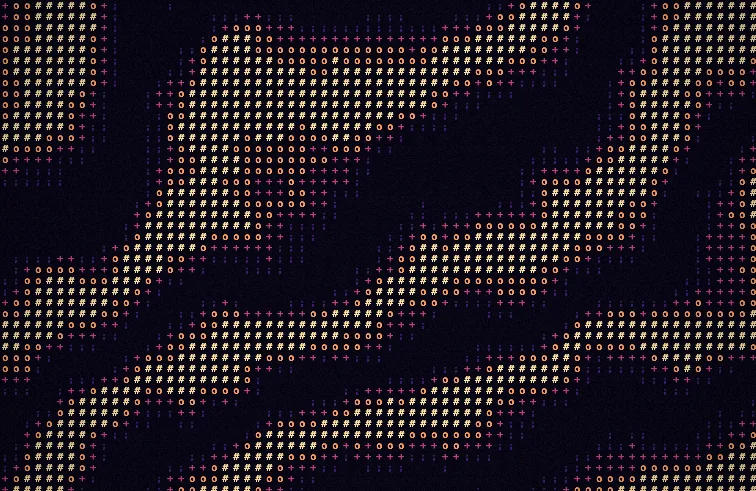
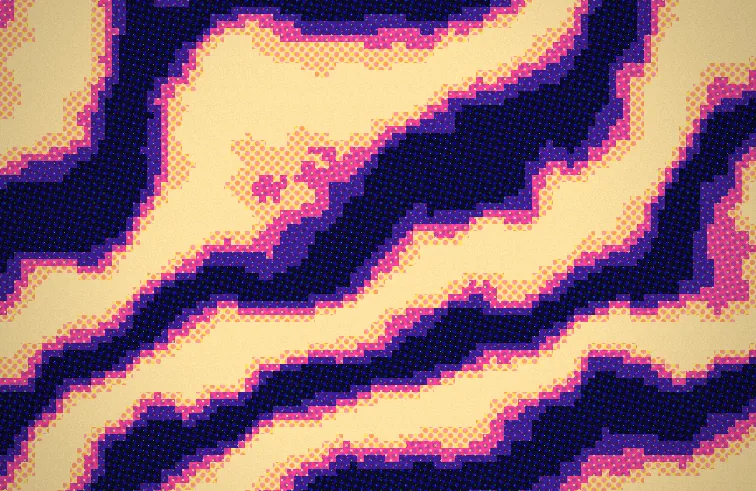
The two dials that matter
Pixel size sets how big each cell of the pattern is. Small and it melts into a soft texture; large and you can count the dots from across the room.
Levels sets how many colours the dither is allowed to use. Two gives you the starkest version. More levels give smoother steps, and at some point the dithering has nothing left to do.
In Pixel Soup both are sliders, and every style works on every shape and on your own photos, still or moving.
Get Pixel Soup $4.99 launch week, then $9.99. Once, no subscription.